Pros and Cons of Living in the Tri-Cities, Washington (2026): Richland, Kennewick & Pasco

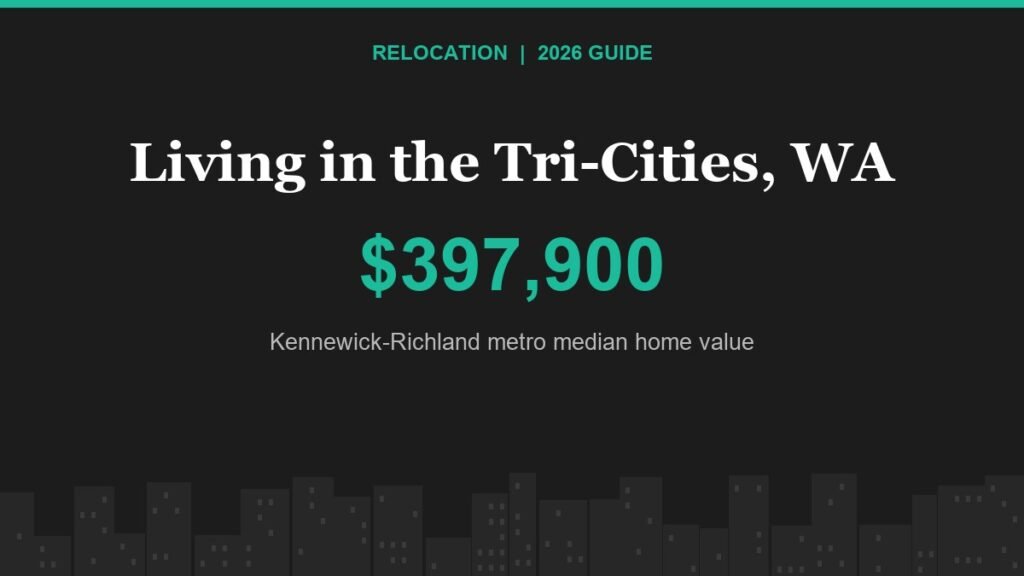
The biggest pros of living in the Tri-Cities, Washington are affordable homes and sunshine: the Kennewick-Richland metro’s median home value is $397,900, which is $166,700 below the state median, and Washington has no income tax on wages. The main cons are hot, smoky summers, a job market tied heavily to the Hanford site, and long distances to Seattle or Portland.
Richland, Kennewick and Pasco sit where the Columbia, Snake and Yakima rivers meet, in the dry, sunny half of the state. For a statewide look at taxes and living costs, read our guide to the pros and cons of living in Washington State.
Tri-Cities Cost of Living at a Glance
| Metric | Richland | Kennewick | Pasco | Washington |
|---|---|---|---|---|
| Median household income | $95,813 | $73,576 | $85,586 | $98,141 |
| 1BR median gross rent | $1,225 | $1,051 | $930 | $1,568 |
| 3BR median gross rent | $1,834 | $1,561 | $1,736 | $2,058 |
| Median home value | $436,700 | $370,700 | $376,300 | $564,600 |
| Median annual property tax | $3,558 | $2,661 | $2,708 | $4,556 |
| Homeownership rate | 64.4% | 61.3% | 70.9% | 63.8% |
| Median age | 36.4 | 35.7 | 30.3 | 38.3 |
| Mean commute | 20.4 min | 21.3 min | 22.5 min | 26.6 min |
| Combined sales tax | 8.8% | 8.8% | 8.9% | 6.5% + local |
Housing, income and commute figures are from the Census Bureau’s 2020–2024 American Community Survey. Sales tax rates are from the Department of Revenue’s October–December 2026 rate list.
Pros of Living in the Tri-Cities
Affordable Housing
Kennewick’s median home value of $370,700 is $193,900 below the Washington median and less than half of Seattle’s $938,600. Pasco is similar at $376,300, and Richland, the priciest of the three, is still $127,900 under the state median. A 10% down payment on the metro median home is $39,790.
Lower Rent
Pasco’s median one-bedroom rents for $930 and Kennewick’s for $1,051, both well below the state’s $1,568. Under the 30% guideline, Kennewick’s median three-bedroom requires about $62,440 of gross income.
No Wage Income Tax and Lower Sales Tax
Washington does not tax wages, and the Tri-Cities’ combined sales tax rates of 8.8% to 8.9% are lower than the 10.5% or more charged in Seattle and Tacoma. Workers pay the Paid Family and Medical Leave premium, about 0.81% of wages in 2026, and the 0.58% WA Cares premium.
Sunshine, Rivers and Short Commutes
The Tri-Cities are far drier and sunnier than western Washington, with miles of riverfront trails. Mean commutes run about 20 to 23 minutes, shorter than the statewide 26.6 minutes.
Cons of Living in the Tri-Cities
Hot Summers and Wildfire Smoke
Summers are hot and dry, so air conditioning is essential, and wildfire smoke can settle over the region for days at a time. The Department of Ecology’s smoke and fire guidance explains how to check air quality and protect your health. Wind and dust are also common.
Dependence on Hanford
The local economy leans on the Hanford nuclear site, where the Department of Energy says about 13,000 people work on one of the world’s largest environmental cleanups, most of them for contractors. Federal budget decisions can ripple through the whole region. Agriculture, food processing, healthcare and the Pacific Northwest National Laboratory in Richland add diversity.
Lower Wages Outside Hanford
The Bureau of Labor Statistics reports an average weekly wage of $1,480 in Benton County for the first quarter of 2026, about $76,960 a year, and $1,130 in Franklin County, about $58,760. Both are well below the statewide $1,998.
Distance From Major Cities
Seattle and Portland are each several hours’ drive away, and the Tri-Cities airport has limited direct flights compared with Seattle. If you need frequent travel to the coast, factor in time and cost.
Take-Home Pay in the Tri-Cities
| Single filer, 2026 | $65,000 salary | $95,000 salary |
|---|---|---|
| Federal income tax | $5,620 | $12,070 |
| Social Security and Medicare | $4,973 | $7,268 |
| Paid Leave and WA Cares | $902 | $1,318 |
| Monthly take-home | $4,459 | $6,195 |
| Left after Kennewick median 1BR | $3,408 | $5,144 |
| Left after Kennewick median 3BR | $2,898 | $4,634 |
These estimates assume W-2 wages, no dependents, no pre-tax contributions, and the 2026 federal standard deduction of $16,100. Washington households averaged $113.68 a month for electricity in 2024, below the U.S. average of $142.26, according to the EIA, though summer cooling can push Tri-Cities bills higher.
Richland vs Kennewick vs Pasco
Living in Richland, WA means the highest incomes, at a median of $95,813, the closest access to Hanford and the national lab, and the highest housing costs of the three. Kennewick is the largest city and the retail center, with lower home values of $370,700 and a lower median income of $73,576. Pasco, across the Columbia River, is the youngest, with a median age of 30.3, a 70.9% homeownership rate and the lowest one-bedroom rent of the three.
Is Yakima, Washington a Good Place to Live?
About 75 miles northwest, Yakima is even cheaper. Its median home value is $297,600, the median one-bedroom rents for $828, and the combined sales tax is 8.6%. The tradeoff is a lower median household income of $62,815, an economy built around agriculture, and the same hot, smoky summers. Yakima suits buyers on a tight budget and remote workers more than people seeking local professional jobs.
How the Tri-Cities Compare
| Place | 1BR | 3BR | Home value | Income | Median age | Sales tax |
|---|---|---|---|---|---|---|
| Richland | $1,225 | $1,834 | $436,700 | $95,813 | 36.4 | 8.8% |
| Kennewick | $1,051 | $1,561 | $370,700 | $73,576 | 35.7 | 8.8% |
| Pasco | $930 | $1,736 | $376,300 | $85,586 | 30.3 | 8.9% |
| Yakima | $828 | $1,470 | $297,600 | $62,815 | 34.3 | 8.6% |
| Spokane | $963 | $1,520 | $363,500 | $70,064 | 37.2 | 9.1% |
| Seattle | $1,899 | $3,056 | $938,600 | $123,860 | 35.6 | 10.55% |
| Washington | $1,568 | $2,058 | $564,600 | $98,141 | 38.3 | 6.5% + local |
If you prefer western Washington, compare our guides to whether Tacoma is a good place to live, moving to Bremerton and the cost of living in Bellingham. Wherever you settle, you have 30 days to get a Washington driver license after moving, and the state’s Emergency Management Division publishes hazard preparedness guidance.
Frequently Asked Questions
What are the cons of living in the Tri-Cities, Washington?
The main cons are hot summers that require air conditioning, wildfire smoke, wind and dust, an economy heavily dependent on the Hanford site, and lower wages outside Hanford-related jobs. Seattle and Portland are several hours away, and air service is more limited than in larger metro areas.
Is it cheap to live in the Tri-Cities?
Compared with western Washington, yes. The Kennewick-Richland metro’s median home value is $397,900, about $166,700 below the state median. Median one-bedroom rents run from $930 in Pasco to $1,225 in Richland, and sales tax is 8.8% to 8.9%, lower than in Seattle or Tacoma.
Which is better, Richland, Kennewick or Pasco?
Richland has the highest median household income and housing costs, and is closest to Hanford and the national lab. Kennewick is the largest city with the most shopping and lower home values. Pasco has the youngest population and the lowest one-bedroom rents. The best choice depends on your job and budget.
This article is for general information only and is not financial, tax, legal, or real estate advice. Taxes, rates, and housing costs change and vary by address and household. Confirm current figures with the relevant agency or a licensed professional before making a decision.